






Be the first one to receive latest updates.
Follow Us
-
9355392023
-
India


How Poverty Affects Childhood Brain Development: What India Needs to Do
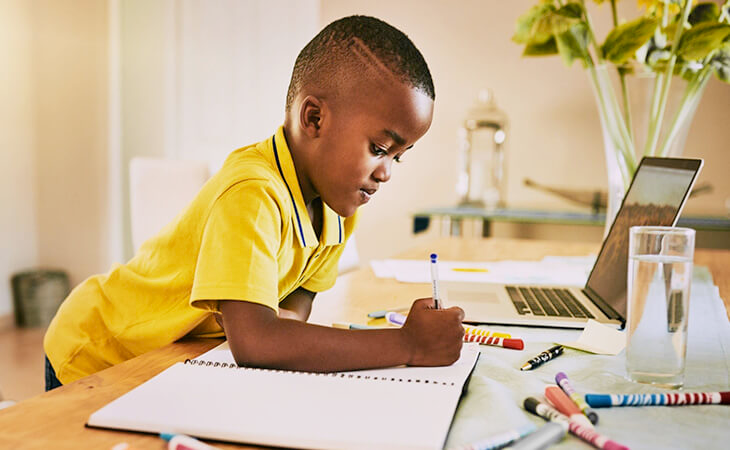

A deeply researched insight into how deprivation shapes the minds of India’s poorest children—and how timely intervention can change everything.
Introduction: Childhood Should Build the Brain—Not Break It
A child’s brain develops faster between birth and age 6 than at any other time in life.
During these crucial years, 25 years’ worth of brain connections are built every second.
But for millions of underprivileged children in India, this critical phase of life is overshadowed by:
- Hunger
- Stress
- Neglect
- Lack of stimulation
- Unsafe homes
- Poor health
- Toxic environments
When the brain doesn’t receive what it needs at the right time, the architecture of the brain itself is altered—permanently affecting learning, emotions, behaviour, and lifelong success.
Poverty is not just a financial condition.
Poverty is a biological and neurological condition.
1. The Science: How Poverty Influences Brain Development
Modern neuroscience proves that growing up poor physically changes the brain.
1.1 Poverty shrinks essential brain regions
Studies using MRI scans reveal that children raised in poverty show:
- 9–10% less grey matter in areas responsible for decision-making
- Reduced volume in the hippocampus (memory and learning)
- Smaller prefrontal cortex (reasoning, emotional control, impulse management)
These changes are not due to genetics—they’re due to environment.
1.2 Chronic stress damages synaptic growth
Children in poverty experience:
- Hunger
- Family conflict
- Unsafe neighbourhoods
- Parent stress
- Harsh winters
- Noise pollution
- Lack of routine
This creates a constant “fight-or-flight” internal state, flooding the brain with cortisol, the stress hormone.
Chronic cortisol exposure leads to:
- Reduced synaptic connections
- Difficulty concentrating
- Anxiety
- Poor emotional control
- Slower development of neural circuits
- Hypervigilance and irritability
1.3 Malnutrition starves the developing brain
A child’s brain consumes 50% of all calories consumed daily.
When nutrition is inadequate, the brain literally cannot develop.
Effects include:
- Delayed language skills
- Reduced attention span
- Lower IQ
- Poor memory formation
- Increased risk of ADHD-like symptoms
- Slower processing speed
Protein-energy malnutrition affects the myelin sheath, slowing down nerve signal transmission.
1.4 Lack of early stimulation weakens cognitive growth
Children living in poverty often lack:
- Books
- Toys
- Conversations
- Safe play spaces
- Preschool access
- Digital learning exposure
The absence of stimulation leads to:
- Poor vocabulary growth
- Lower emotional intelligence
- Weak problem-solving abilities
- Limited creativity
- Incomplete neural networks
The child who does not hear words, see colors, ask questions, or explore the world—cannot build a strong brain.
2. The Emotional Reality: Poverty Creates Developmental Trauma
Beyond the science lies the deeply human reality of childhood suffering.
2.1 Children in poverty live with emotional deprivation
Many experience:
- Lack of affection
- Neglect
- Harsh discipline
- Emotional instability
- Parents under extreme stress
Children who grow up without emotional security develop:
- Trust issues
- Social withdrawal
- Anxiety
- Emotional numbness
- Increased aggression
2.2 Household chaos affects emotional health
Overcrowded slums, loud noise, unsafe environments, and erratic schedules disrupt:
- Sleep patterns
- Classroom attention
- Emotional regulation
- Stress handling
2.3 Exposure to violence shapes personality
Children witnessing domestic fights, street violence, or substance abuse may develop:
- PTSD symptoms
- Risk-taking behaviour
- Depressive tendencies
- Hyper-alertness
- Lower resilience
This emotional instability directly affects the brain’s executive functions.
3. How Poverty Affects Learning & Education in India
3.1 Poor children start school with a developmental gap
By age 5, children in poverty already fall behind in:
- Vocabulary
- Numeracy
- Fine motor skills
- Social behaviour
- Emotional control
This gap widens every year.
3.2 Winter, illness & hunger worsen cognitive decline
India’s poorest children face:
- Repeated infections
- Missed school days
- Poor sleep in cold environments
- Weakness due to malnutrition
Even short-term illness can cause long-term learning losses.
3.3 Digital inequality deepens the divide
During and after COVID-19:
- Children in poverty had zero access to smartphones, internet, or digital tools
- Middle-income children continued learning
This widened the learning gap by years, not months.
4. The India Picture: Why This Issue Is Urgent
India has:
- 20 crore children living in poverty
- 1.7 crore children with developmental delays
- 30–40% malnourished children
- Millions of slum children exposed to unsafe environments
- Over 3 crore children at risk of cognitive underdevelopment due to neglect or lack of stimulation
Every year, millions of minds are underdeveloped—wasted potential that India desperately needs.
5. What India Needs to Do — A Roadmap for Action
Here are the scientific, proven, and India-urgent solutions:
5.1 Boost Early Childhood Care & Education (ECCE)
India must strengthen:
- Anganwadis
- Preschool programs
- Home-based toddler education
- Parent training programs
- Toy libraries
- Childcare centers
The brain grows fastest before age 6—these interventions matter most.
5.2 Fight Malnutrition Aggressively
Poor nutrition = poor brain development
Action Required:
- Stronger ICDS nutrition delivery
- Hot cooked meals
- Supplement programs
- Iron & micronutrient support
- Community-level child growth monitoring
5.3 Provide Family Support & Stress Reduction
Parents under stress cannot provide emotional support.
India needs:
- Counseling services
- Women empowerment programs
- Financial assistance
- Stress-relief support for low-income families
5.4 Improve Environmental Safety in Slums
Actions needed:
- Better housing
- Reduced pollution
- Safe play spaces
- Clean water
- Sanitation infrastructure
A safe environment is essential for a healthy brain.
5.5 Expand Digital Learning Access
Low-cost interventions:
- Tablet libraries
- Shared learning centers
- Community Wi-Fi
- Learning kiosks
- NGO-supported digital classes
6. What NGOs Like Maa Puspa Manav Vikash Foundation Are Doing
We focus on:
1. Education Programs
Learning hubs, digital literacy, early childhood education support.
2. Nutrition Support
Growth-focused meals, winter nutrition, supplements for children.
3. Women Empowerment
When mothers are empowered, children’s brains grow better.
4. Health & Wellness
Winter relief, health camps, hygiene support, mental wellness care.
5. Community Development
Safer environments, awareness programs, family counseling.
7. How Donors Can Make a Real Difference
Your support can help provide:
₹500 — Early learning materials
₹1,000 — Nutrition support
₹2,500 — Digital learning access
₹5,000 — Monthly support for a child’s education & health
₹10,000 — Sponsor a full development kit for a vulnerable child
Your contribution helps a child grow:
- Mentally
- Emotionally
- Physically
- Socially
And ultimately, escape the cycle of poverty.
Conclusion: When We Build a Child’s Brain, We Build India’s Future
Poverty doesn’t just limit income.
It limits brain development, emotional growth, learning ability, and life potential.
But the good news is:
The brain can recover—if we intervene early.
Every act of support creates new neural pathways.
Every donation builds a stronger mind.
Every empowered child becomes a healthier adult.
Every life changed becomes a stronger India.
**The science is clear.
The emotion is real.
The responsibility is ours.**

Puspa.org (Author)

Saima Hayden
Nostrud aliquip exrcitation laboris
nisiut temp duis autey. Lorem unt
ipsum sit amet elit dolor.

Puspa Manav Vikash Foundation works to protect children’s rights, ensure quality education, free medical aid, and emergency relief — empowering underprivileged families for a just, equal society.”

ABOUT US
एक बुद्धिमान(Prudent), असमान(Unequal), अति पीड़ा(Smart), तत्पर(Prompt) और निपुण(Adept) बच्चा जिसके अधिकारों की रक्षा और सम्मान एक ऐसे समाज में किया जाता है जो सभी के लिए सम्मान, न्याय और समानता पर आधारित है।